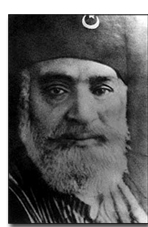
Maulana Shaukat Ali
Maulana Shaukat Ali (1873–1938) was the organizational backbone of the Khilafat Movement — the steady, fearless hand behind the revolution. While his younger brother Muhammad Ali Jauhar thundered from the podium and set the pages of The Comrade ablaze, Shaukat Ali was the one who built the machinery of mass mobilization: the networks, the logistics, the unglamorous work of turning passion into power. Educated at Aligarh, he walked away from a comfortable government post to dedicate himself entirely to the struggle.
As General Secretary of the Central Khilafat Committee (1919–1924), Shaukat Ali crisscrossed India alongside Gandhi and his brother, organizing rallies that drew hundreds of thousands, coordinating boycotts, and building the infrastructure of non-cooperation from the ground up. When the British arrested the Ali Brothers in 1921 during the famous Karachi sedition trial, both brothers went to prison together — bound by blood and by cause. His two years behind bars only deepened his resolve.
After the Khilafat Movement subsided, Shaukat Ali continued to serve in the Central Legislative Assembly from 1934 until his death in 1938. His name may not echo as loudly as his brother's in popular memory, but those who built the freedom movement understood the truth: Shaukat Ali showed that not every hero stands at the podium. Some build the stage itself.
Sources & Further Reading
Scholarly Books & Monographs
- Gail Minault. The Khilafat Movement: Religious Symbolism and Political Mobilization in India. Columbia University Press, 1982.
- Shan Muhammad. The Ali Brothers: Their Role in the Freedom Struggle. Idarah-i Adabiyat-i Delli, 1979.